Introduction: Recognizing the Importance of Mental Wellness Skills
In today's fast-paced and often chaotic globe, crises can emerge suddenly. Whether they originate from personal problems, all-natural catastrophes, or broader social challenges, these situations can dramatically affect mental health and wellness. As people and areas come to grips with stress, anxiousness, and anxiety during crises, the demand for effective psychological health skills becomes critical. This article checks out how to give critical support during such moments by harnessing psychological wellness skills and first aid techniques.
Providing Support Throughout Situation Situations With Mental Wellness Skills
When going over situation situations, it's crucial to acknowledge that psychological wellness plays a substantial function. Situations can cause injury feedbacks that may bring about lasting impacts if not dealt with immediately. By furnishing ourselves with the needed abilities-- and probably even enrolling in a mental health first aid course-- we can much better browse these rough waters.
Understanding Situation Situations
Crisis situations are defined as occasions that interfere with a person's life or neighborhood substantially. They can include individual disasters, neighborhood physical violence, all-natural disasters, or public health and wellness emergency situations like pandemics. The emotional toll these events handle those affected can not be understated.
Types of Crises
Personal Crises- Family issues Financial difficulties Relationship breakdowns
- Natural disasters (earthquakes, floodings) Violence in neighborhoods Public wellness emergencies (epidemics)
- Political unrest Economic downturns Global pandemics
Recognizing Signs of Distress
In any type of dilemma scenario, acknowledging the indicators of distress is important for giving suitable support. Here are some common indicators:
- Changes in habits (withdrawal, aggression) Emotional outbursts or extreme state of mind swings Physical signs like tiredness or insomnia Changes in hunger or self-care habits
The Role of Mental Wellness First Aid
Mental Health and wellness First Aid (MHFA) gears up individuals with the understanding to aid somebody experiencing a psychological wellness crisis. It emphasizes empathy and energetic listening while supplying functional tools for intervention.
Key Elements of Mental Wellness First Aid
Assessment- Evaluating the seriousness of the situation.
- Using de-escalation strategies.
- Knowing when to route people to specialist help.
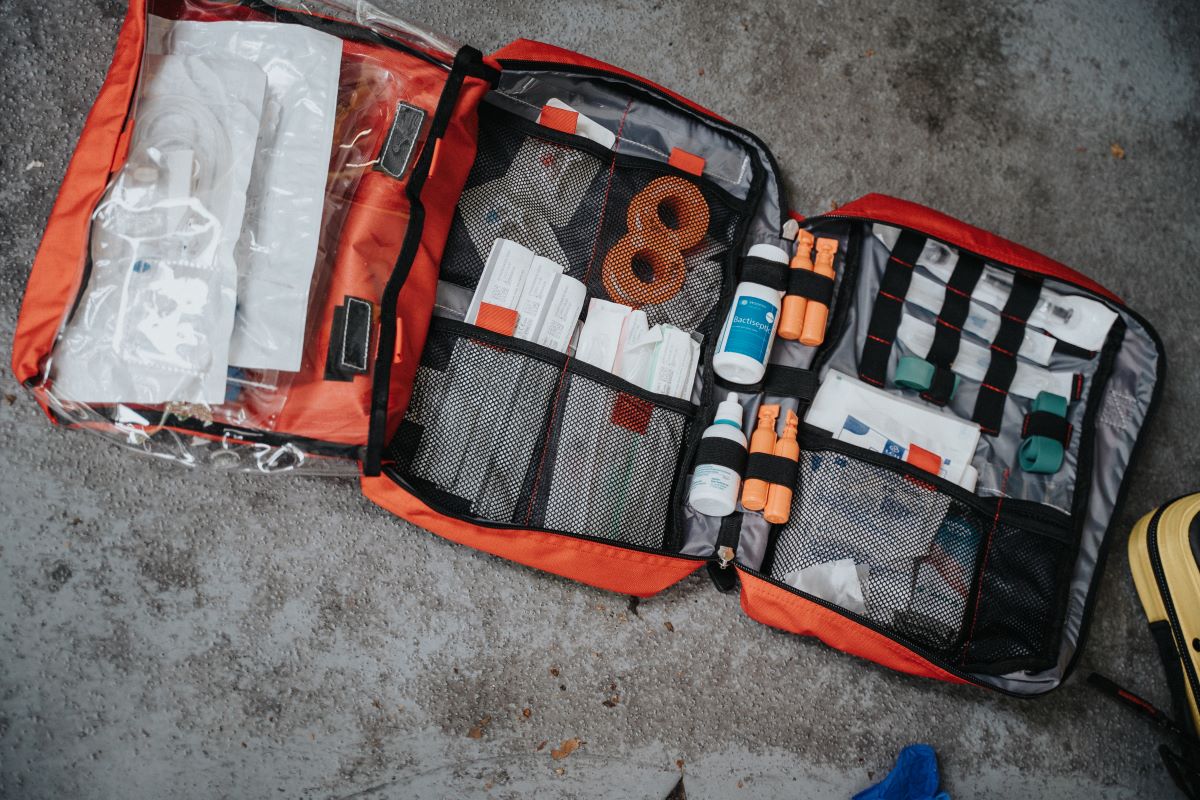
Integrating Basic First Aid Skills with Mental Wellness Support
While psychological health abilities are vital throughout a firstaidpro.com.au situation, integrating them with standard first aid knowledge improves total effectiveness.
What is DRSABCD?
DRSABCD is a mnemonic made use of in first aid training that represents:
- Danger: Make certain safety and security on your own and others. Response: Examine if the individual is responsive. Send for aid: Call emergency situation solutions if needed. Airway: Make certain the respiratory tract is clear. Breathing: Check for normal breathing. CPR: Provide cardiopulmonary resuscitation if necessary. Defibrillation: Make use of an AED if available.
How CPR Plays into Situation Management
Cardiopulmonary resuscitation (CPR) can be lifesaving throughout medical emergencies caused by crises such as cardiovascular disease or extreme injuries. Recognizing CPR can encourage individuals to act quickly and successfully when every 2nd counts.
Empathy: A Cornerstone of Support
Empathy creates the foundation of efficient support during crises. It's about understanding one more person's viewpoint and feelings without judgment.
Active Listening Techniques
Active listening surpasses listening to words; it includes totally interesting with what somebody is communicating emotionally and verbally.
Maintain eye contact Nod occasionally to show understanding Avoid interrupting while they speak Reflect back what you hear ("It seems like you're feeling ...")Building Trust Via Communication
Trust is vital when providing assistance in situations-- especially regarding sensitive subjects like mental health.
Communicative Strategies that Foster Trust
Be non-judgmental Maintain discretion Express authentic worryPractical Tools and Techniques for Situation Situations
When confronted with a crisis situation including mental distress, having practical tools at your disposal can make all the difference.
1. Breathing Exercises
Breathing workouts are basic yet effective techniques that can help relax anxiousness throughout difficult moments.
Example Breathing Exercise:
Inhale deeply via your nose for 4 seconds. Hold your breath for 4 seconds. Exhale gradually via your mouth over six seconds. Repeat as required till calmness returns. https://www.firstaidpro.com.au/course/hltaid011-charity-free-first-aid-course/2. Basing Techniques
Grounding techniques aid anchor individuals back right into reality when they feel bewildered by feelings or memories from a crisis.
Examples Include:
- Identifying 5 things you see around you. Touching four items and describing them aloud. Noticing three noises in your environment.
FAQs Regarding Supplying Assistance During Dilemma Situations
1. What must I do first when I come across somebody in crisis?
Start by making sure both your security and theirs; assess if there's any kind of instant threat before approaching them smoothly and reassuringly.
2. How much time does a first aid certification last?
Typically, first aid certifications stand for three years before needing renewal through correspondence course or retesting.
3. Can I take a first aid training course online?
Yes! Several organizations provide extensive online first aid courses that cover both physical and psychological wellness facets effectively.
4. What comprises efficient communication in a crisis?
Effective communication involves clear language, active listening, empathy, and confirming sensations without judgment.
5. How do I understand when to refer someone for expert help?
If somebody expresses thoughts of self-harm or harm to others-- or shows signs of extreme distress-- it's necessary to refer them to a licensed expert immediately.
6. Exist certain training courses concentrated specifically on mental wellness first aid?
Yes! Different companies globally offer specialized programs targeted at gearing up individuals with essential skills for supporting people experiencing psychological health dilemmas effectively.
Conclusion: Encouraging Ourselves Via Education
Providing support throughout crisis situations needs a mix of empathy, sensible abilities, and expertise regarding mental wellness sources available within our communities-- alongside training like CPR qualification or joining appropriate workshops such as those provided via "firstaidpro."
As we seek to enhance our capacity to respond successfully in these tough scenarios, let us bear in mind that every small activity counts toward promoting durability within ourselves and those around us encountering tough times.


By embracing education and learning like the mental health and wellness first aid course along with conventional first aid training, we furnish ourselves not only with important reaction abilities but likewise boost our capacity to offer convenience throughout emotional turmoil-- ultimately contributing positively to our collective health in the middle of life's unpredictability.